I watched it happen again yesterday. A guardian radiating pride as their dog sat perfectly still—ignoring every fascinating smell, every friendly dog passing by, every joyful invitation to play. “He’s so well-behaved!” they beamed.
Meanwhile, I couldn’t stop noticing what the dog was showing me: muscles coiled tight, a hard swallow, eyes darting nervously to check their person’s face. Waiting. Watching. Worried.
This dog wasn’t fulfilled. He was frozen.
And here’s the thing that breaks my heart—this happens all the time. We’ve been taught that this is what “good training” looks like. That a dog who suppresses every natural impulse to please us is somehow thriving.
But what if I told you that your perfectly obedient dog might actually be suffering? That the very behaviors we celebrate as “well-trained” could be warning signs of a dog who’s learned that self-expression is dangerous?
Here’s the uncomfortable truth: We’ve confused human convenience with canine wellbeing. We measure success by the absence of behaviors we find inconvenient rather than by the presence of behaviors that show our dogs are genuinely happy.
What the Science Actually Shows (And Why It Changes Everything)
Okay, so let’s talk about what researchers have discovered about what dogs actually need to be happy. And I promise, it’s going to surprise you—because it has almost nothing to do with obedience.
The research keeps pointing to three things: autonomy, agency, and choice. I know those sound like academic buzzwords, but stick with me—they matter more than you think.
Agency: When Your Dog Gets to Be the Driver
Think about agency as your dog’s ability to make decisions and take action based on what they want, not just what you command. It’s the difference between a dog who gets to choose which direction to explore on a walk versus one who’s constantly corrected back to heel position.
When dogs can exercise agency—when they get to choose, control parts of their environment, and tackle challenges that interest them—something amazing happens. They develop confidence. They build problem-solving skills. They experience what researchers call “positive affective engagement” (basically, they feel good about their lives).
Here’s what really hit me: Studies on therapy dogs found that when guardians support their dogs’ independent exploration, those dogs become more confident and self-reliant. They develop cognitive flexibility. They become more capable, not less.
Now contrast that with traditional obedience training, where your dog waits for permission to sniff, walks only where you direct, plays only with approved toys, and interacts only on command.
That’s not building a capable, confident dog. That’s teaching learned helplessness and dressing it up as “good behavior.”
The Choice Factor (Or: Why Control Matters)
Here’s something that decades of research has proven: Helplessness is stressful. Control is empowering.
Dogs who have more choice and control in their lives handle stressful situations better. Period.
And perhaps most eye-opening? Research on long-term stress found that dogs mirror the stress levels of their guardians. So when we’re anxious about “being the alpha” or stressed about maintaining perfect control, that anxiety transfers directly to our dogs.
The obedience model creates stress for both ends of the leash.
The Stress Your “Obedient” Dog Isn’t Showing You
Now let’s talk about what’s happening inside your dog’s body when we prioritize obedience over everything else. Because the research here? It’s both clear and heartbreaking.
Dogs trained with methods that focus on stopping unwanted behaviors through discomfort or intimidation showed way more stress behaviors during training. Their cortisol levels (the stress hormone) spiked after training sessions. And here’s the part that really got to me: they became more pessimistic.
Let me say that again. These dogs didn’t just show stress during training. They developed a more negative outlook on life itself. When faced with ambiguous situations, they expected bad things to happen.
That’s not training. That’s trauma.
And even approaches that mix rewards with pressure showed significantly more stress than methods focused purely on making cooperation rewarding and safe.
Here’s the kicker that should make us all pause: Research found that obedience scores correlated with making cooperation rewarding, not with making mistakes uncomfortable. But problem behaviors? Those correlated with pressure-based approaches, not reward-focused ones.
Translation: Making mistakes uncomfortable doesn’t even make dogs more obedient—it just makes them more stressed and more likely to develop the exact behaviors we’re trying to prevent.
The most troubling part? A dog can perform perfectly while experiencing chronic internal stress that damages their immune function, metabolism, and long-term health. From the outside, they look “well-trained.” On the inside, they’re struggling.
So What Does Your Dog Actually Need?
If obedience isn’t the answer, what is? Let me show you what fulfillment actually looks like—and I promise, it’s simpler (and messier) than you think.
Let Your Dog’s Brain Actually Work
Here’s something that surprised me when I first learned it: Dogs are highly motivated to use their cognitive skills. When we prevent them from problem-solving and exploring, they actually suffer.
Think about your walks. Is your dog getting to really sniff? Because twenty minutes of free sniffing in a small area gives most dogs more mental satisfaction than an hour of perfectly controlled heel walking.
Research backs this up: Dogs get way more from walks when they can go at their own pace and follow their noses. The structured, brisk walks we’ve been taught to do? Those provide physical exercise only. Self-paced exploration delivers the mental exercise that dogs desperately need.
This also means puzzle toys, scent games, letting your terrier dig in designated spots, or letting your retriever actually retrieve things—activities that are dog-initiated and dog-paced, not just another command to perform.
Start Having Conversations (Yes, With Your Dog)
Consent requires a two-way conversation. And before you roll your eyes at me, I’m not suggesting your dog literally speak English. I’m saying we need to actually pay attention when they communicate through body language.
Here are three ways to start right now:
The pause test: When you’re petting your dog, stop every few seconds. Do they lean in asking for more? Or do they move away? Respect that answer instead of continuing because you feel like petting them.
The choice protocol: Start giving your dog actual choices. Which way should we walk today? Which toy do you want? Your dog has preferences—let them express them.
The opt-out option: In training or play, give your dog the ability to walk away. If they stay, you know they’re genuinely engaged. If they leave, you’ve just learned something important about what they need.
Give Them a Life, Not Just Rules
When dogs get to explore new environments, something shifts. They become more confident. They feel more in control. They develop the skills to handle challenges.
Practically, this means:
- Multiple sleeping spots so they can choose based on how they feel (cool floor vs cozy bed vs sunny spot)
- Letting them decide whether to greet that other dog or person
- Varying their environment—not just the same park, same route, same everything
- Building a relationship where they know you’ll support them, not just command them
The goal isn’t a dog who obeys perfectly. It’s a dog who seeks you when stressed, explores confidently when safe, communicates their needs clearly, and actually shows a full range of emotions without fear.
How to Actually Start Making Changes
I know this might feel overwhelming. You’ve probably been told your whole life that “good dog guardianship” means control and consistency and rules. And now I’m saying the opposite.
So let’s make this practical.
Week One: Just Watch
Spend one week observing your dog without giving commands. Watch what they choose to do. Notice how they communicate. Pay attention to when they seem genuinely joyful versus when they’re just tolerating something.
You might discover your “well-behaved” dog is actually just suppressing their real feelings. Or that they love certain activities you didn’t even notice. Or that they’re trying to tell you things you’ve been missing.
Redefine What Success Looks Like
Stop measuring success by whether your dog sits on command. Instead, look for:
- Relaxed, loose body language during interactions
- Your dog choosing to engage with you because it’s rewarding
- Stress signals decreasing over time
- Your dog approaching new situations with curiosity instead of fear
That’s what fulfilled looks like. Not perfect position. Not immediate compliance. But genuine confidence and joy.
Do an Honesty Audit
Ask yourself these hard questions:
- How many real choices does my dog make each day?
- How often do I check if they actually want interaction before I initiate it?
- Does my dog show stress signals (lip licking, yawning, tense body, avoiding eye contact) during training?
- When does my dog look genuinely happy versus just compliant?
If your answers reveal limited autonomy and lots of stress, your “good training” might actually be compromising their wellbeing—no matter how good it looks from the outside.
What This Means For Your Specific Dog
If Your Dog Has “Behavior Problems”
Before you label your dog’s behaviors as problems, ask: Are these actually problems, or symptoms of unmet needs?
Your reactive dog might not need more obedience training—they might need more autonomy to create distance from things that scare them.
Your “disobedient” dog might not be stubborn—they might be terrified of making the wrong choice because compliance has been so heavily enforced.
Your hyperactive dog might not need more exercise—they might need more mental stimulation that they get to direct.
The research backs this up: Problem behaviors correlate with training approaches that focus on stopping behaviors through discomfort, not with approaches that focus on making cooperation rewarding. Often, we create the very behaviors we’re trying to eliminate.
If You Rescued Your Dog
I hear this a lot: “My rescue needs more structure because of their trauma.”
Actually, traumatized dogs need the opposite. They need to rebuild their sense that the world is safe, that they have choices, that their communication matters.
Research shows that fearfulness and anxiety that shut down exploration are linked to experiences where self-expression led to negative consequences. Healing requires rebuilding agency, not enforcing more obedience.
Your rescue has often learned that autonomy leads to discomfort or conflict. That compliance is the only safe option. Helping them heal means showing them the opposite.
If Your Dog Is “Already Well-Trained”
Pay attention to what happens in neutral moments:
- Does your dog seek out training, or only participate when you initiate?
- Do they show joy during work, or just go through the motions?
- When given freedom, do they explore confidently or stay glued to you waiting for direction?
A dog can be highly trained and still lack fulfillment. The question isn’t what they can do—it’s whether their cooperation comes from trust or from fear of getting it wrong.
The Hard Truth We Need to Face
Here’s what I need you to hear: Much of what we’ve been taught is “good dog training” ranges from irrelevant to actively harmful when it comes to our dogs’ actual wellbeing.
And I know that’s hard to accept. Maybe you’ve spent years perfecting your dog’s obedience. Maybe you’ve invested in expensive training programs. Maybe your dog really does look “perfect” to everyone else.
But if that perfection came at the cost of your dog’s ability to be themselves—to choose, to communicate, to feel safe expressing their needs—then we need to have an honest conversation about what we’re really doing.
This doesn’t mean your dog doesn’t need any boundaries. Boundaries that protect welfare are important. But boundaries that exist just to enforce obedience? That create compliance through fear? Those need to be rethought.
The real question isn’t “How do I get my dog to behave?” It’s “What does my dog need to actually thrive?“
What It Could Look Like Instead
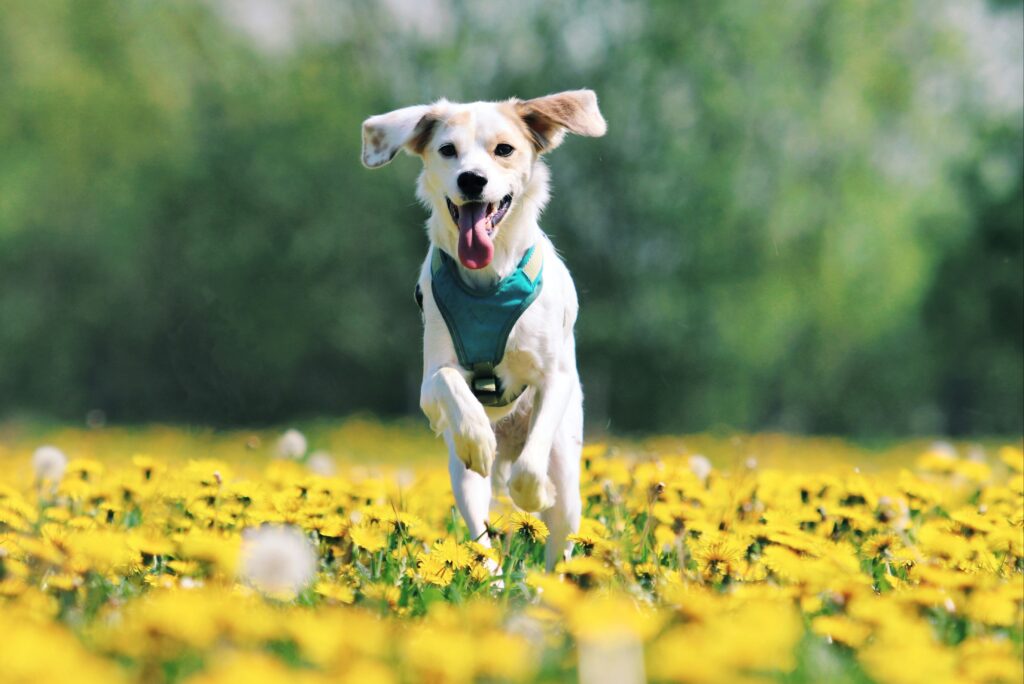
Imagine your dog celebrated not for being perfectly controlled, but for being genuinely confident. Where “well-trained” means a dog who makes choices, communicates clearly, engages enthusiastically—not one who suppresses everything natural to avoid your disapproval.
We’d measure success by loose, wiggly body language. By your dog choosing to check in with you because you’re a source of security, not because they’re afraid of getting corrected. By celebrating when your dog clearly says “no thank you” to unwanted interaction.
A truly fulfilled dog might be messy. Enthusiastic. Imperfect. And you know what? That’s not just okay—it’s exactly what we should want for them.
Where You Go From Here
If you’re recognizing yourself in this article—if you’re realizing that maybe you’ve been prioritizing your convenience over your dog’s emotional needs—first, take a breath. Awareness is the first step toward change, and beating yourself up won’t help your dog.
Here’s what will help:
Start observing without judging. Watch your dog this week. Really watch. What are they trying to tell you?
Count choices. How many real decisions does your dog make each day? Start small—add just one or two more.
Get honest about methods. If your training approach has been focused on stopping behaviors through discomfort or intimidation, acknowledge what that might have cost your dog emotionally. Then explore approaches that make cooperation rewarding and safe.
Practice consent. Start checking in before you pet, pick up, or move your dog. Let them have a voice.
Find better resources. Look for trainers who talk about the L.E.G.S. framework (Learning, Environment, Genetics, Self)—who see your dog as an individual with unique needs, not a problem to fix.
What Really Matters
At the end of your dog’s life, you won’t remember the perfect recalls. You won’t be thinking about how nicely they heeled or how still they sat on command.
You’ll remember the joy in their eyes when they made a choice and you respected it. The trust when they communicated a need and you listened. The authentic bond that came from treating them not as a subordinate to command, but as a sentient being to respect.
That’s the difference between a “good dog” and a fulfilled one.
Your dog has been trying to be good for you. Maybe it’s time we try being good for them.
Leave a Reply